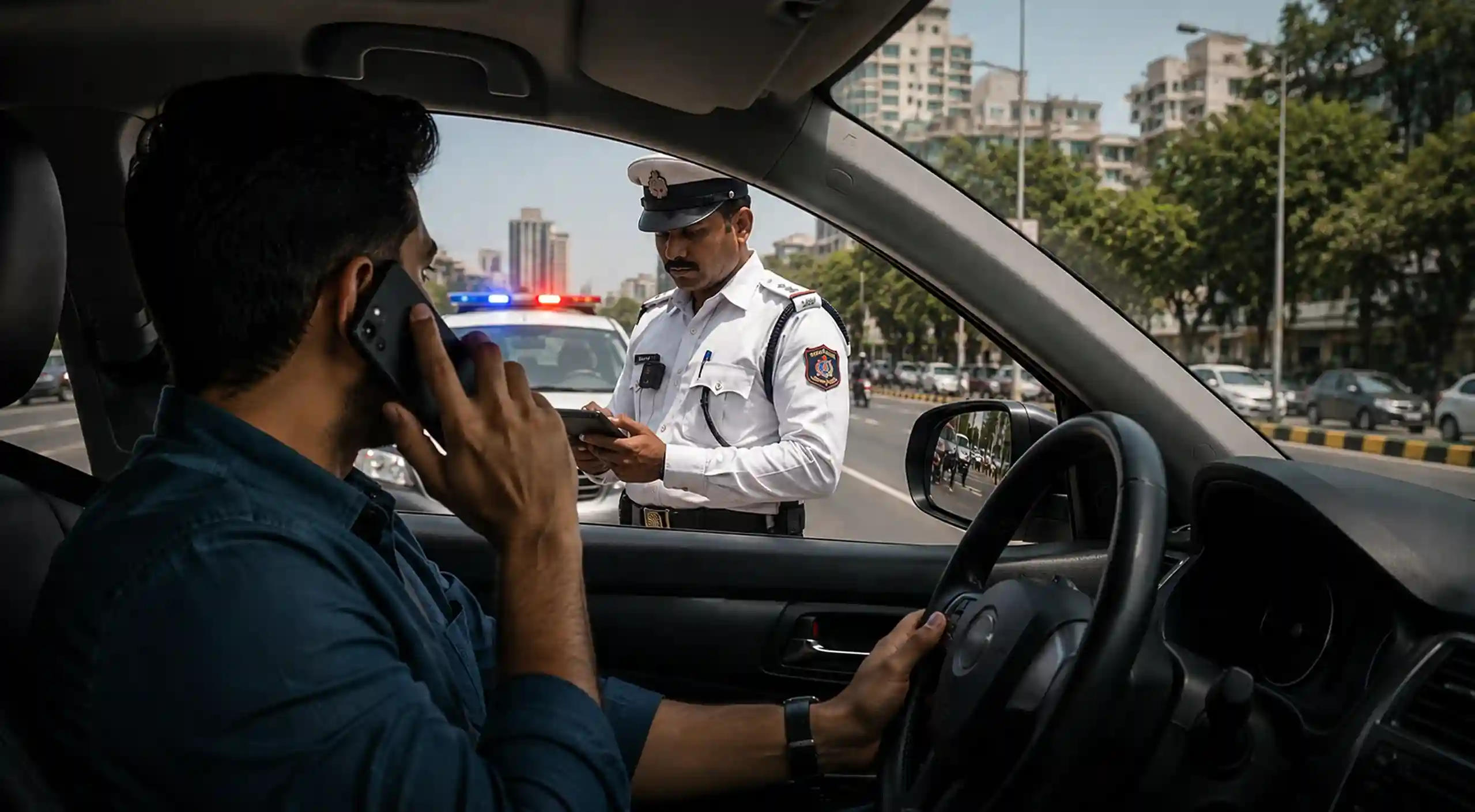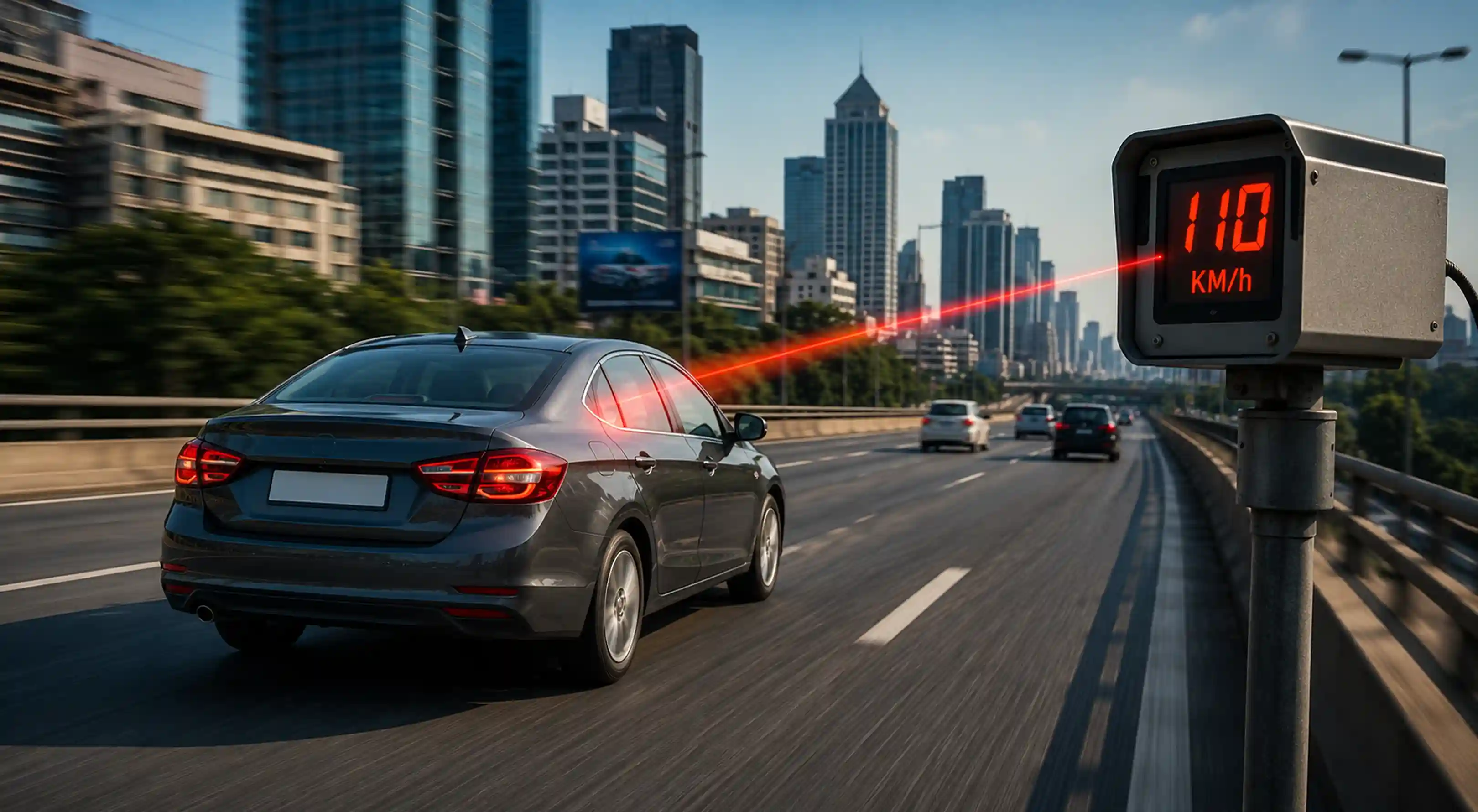

India has entered a new era of digital traffic enforcement and bringing some of the most significant updates to traffic rules and penalties. With AI-powered monitoring, FASTag-linked challans, and a strong push for road discipline, the government is making traffic regulations stricter, smarter, and more transparent.
Whether you drive a bike, car, or commercial vehicle, staying updated with the new rules is essential to avoid heavy fines and enjoy a hassle-free driving experience.
Why was the list of traffic rules updated in 2025?
In March 2025, India revised its traffic penalties, significantly increasing fines and introducing stricter penalties like imprisonment and community service for serious offenses. The traffic landscape in India has changed dramatically in the past few years. Cities are becoming busier, the number of vehicles has grown massively, and drivers often struggle with confusion about rules. These challenges pushed authorities to modernise the entire traffic enforcement system.
The 2025 traffic rule update focuses on three major improvements:
1.Growing Traffic Violations Overspeeding, signal jumping, driving without helmets or seatbelts, and using mobile phones while driving have become extremely common. These violations not only slow down traffic flow but also lead to thousands of avoidable incidents every year. Stricter penalties now act as a stronger deterrent.
2.Smarter Digital Enforcement India is moving towards automated systems. AI cameras, ANPR (Automatic Number Plate Recognition), drone surveillance, and FASTag tracking ensure violations are detected instantly—even without police presence. This reduces human error and increases accuracy in issuing challans.
3.Need for Better Road Discipline With more vehicles than ever before, maintaining order on the roads is essential. Updated rules encourage smoother lane movement, responsible driving, and greater accountability. The goal is simple: to make everyday travel safer, faster, and more predictable.
What’s in the picture, so far?
The new traffic rule 2025 was revised early this year to control the rising road violations and road accidents resulting in deaths, injuries, or disabilities. Since the comprehensive data of the road fatalities for 2025 is not yet available, however, the data revealed for the initial six months itself speaks a lot.
Union Road Transport and Highways Minister Nitin Gadkari, in the Parliament on July 23, 2025, stated that 26,770 people died in road accidents in the first six months of 2025.
Further, in a written reply to the Rajya Sabha, Mr. Gadkari revealed that a total of 52,609 fatal accidents took place in 2024 (on national highways). He further added that 53,372 fatalities were recorded in 2023. These figures are updated by the state and union territories on eDAR (electronic Detailed Accident Report) as of July 17, 2025.
This depicts that in the early six months of 2025, the percentage of road accidents has crossed the 50% line when put in comparison to the last year figures. The data somewhere marks a big question on the updated traffic penalties 2025 and raises concerns about India’s road safety crisis as well.
Road accident data 2023 and 2024
| Year | Road Fatalities | Road Accidents |
|---|---|---|
| 2023 | 1.73 lakh | 4.64 lakh |
| 2024 | 1.70 lakh | 4.73 lakh |
Note *As per NCRB and TRW of MoRTH
The Road Ahead: Government’s Plan to Control Road Fatalities
The government has been continuously taking steps to enforce traffic laws and regulations to control the number of road fatalities. Even after updating the traffic fines for 2025, the government came up with the idea to integrate the e-Challan system with ITMS.
According to the government, this integration and ITMS e-Challan will help in enhancing road safety, compliance with the traffic laws and improving the overall traffic management system of the country.
ITMS in 2025: What It Is and Why It Matters for Traffic Enforcement
The Intelligent Traffic Management System (ITMS) is one of the biggest reasons traffic enforcement in India has become faster, smarter, and more accurate in 2025. ITMS replaces manual monitoring with AI-based, sensor-driven, and fully automated surveillance, ensuring that every violation is captured in real time, even when no traffic officer is present.
ITMS has been deployed in major cities to reduce human error, curb corruption, and bring transparency to challan generation. With last year’s rise in overspeeding, signal jumping, and lane indiscipline, ITMS plays a crucial role in enforcing rules and improving road safety.
How ITMS works:
AI-Powered Cameras High-resolution cameras installed at junctions and highways automatically detect: overspeeding, helmet and seatbelt violations, red-light jumping, wrong-lane driving, and mobile phone usage. These cameras capture violations instantly and send the data to the enforcement system.
ANPR (Automatic Number Plate Recognition) ANPR technology automatically reads number plates with high accuracy, helping authorities: Identify vehicles involved in violations Trace uninsured or unregistered vehicles Issue challans even when cars are moving fast Track repeat offenders
FASTag-Integrated Traffic Monitoring With ITMS now integrated with FASTag data, authorities can track vehicle movement across toll booths in real time. This integration helps detect overspeeding between toll points, identify vehicles involved in hit-and-run or accident-escape cases.
Why ITMS Matters
- Ensures fair challan generation with zero human bias
- Detects violations instantly, improving compliance
- Helps the government monitor accident zones
- Makes roads safer for daily commuters
How to Avoid Traffic Fines and Penalties
Avoiding fines isn’t about saving money; it’s about staying safe and following modern road rules designed to reduce accidents. With the rise of CCTV surveillance, AI-based ITMS systems, and automatic challan generation, even small mistakes can result in penalties.
Here are the most effective ways:
- Follow speed limits strictly.
- Always wear seatbelts or helmets.
- Don’t use mobile phones while driving.
- Keep all vehicle documents updated.
- Avoid drunk driving completely.
- Regularly check your challan status online.
Conclusion
The 2025 traffic rule updates are designed to create a safer and more organised driving environment across India to halve the road fatalities down the road. With rising violations and advanced technologies like AI cameras, ANPR, and drone surveillance, enforcement has become more accurate, transparent, and quick. These updates not only improve road discipline but also encourage responsible behaviour from every driver.